
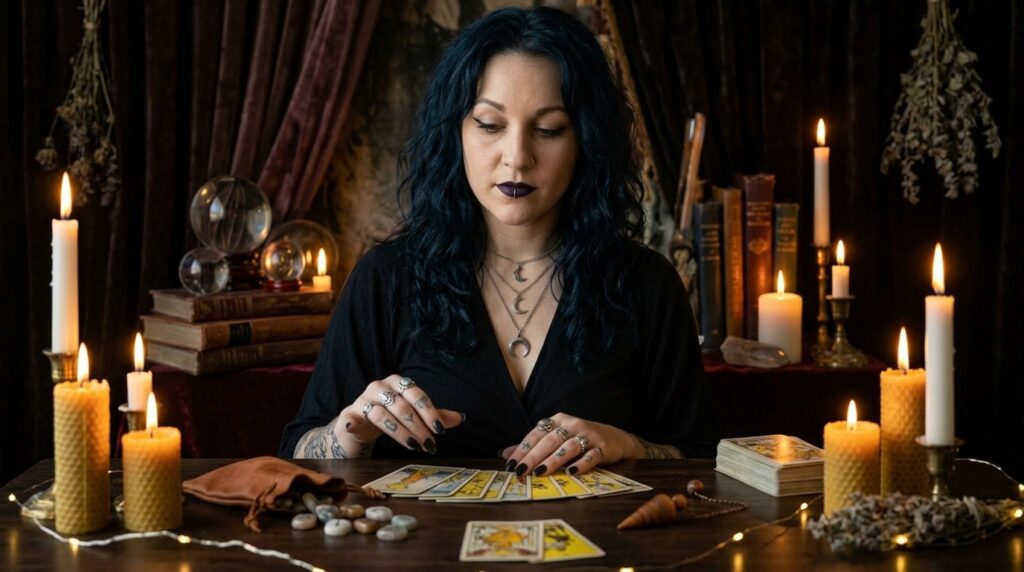
You’ve pulled a tarot card, watched a pendulum swing, or read a horoscope app notification, and wondered which one actually works. With so many divination methods floating around, from ancient rune casting to TikTok oracle pulls, it’s easy to feel like you’re choosing at random instead of choosing what fits you. The truth is, every method shares the same root. Once you see that root, picking a practice gets a lot simpler.
What Divination Really Means
Divination is the practice of seeking insight through symbols, patterns, or intuition rather than direct evidence. It doesn’t promise fixed answers. Instead, it offers a mirror for what you already sense but haven’t put into words. Every method, whether it’s a deck of cards or a bowl of tea leaves, works the same way. It gives your intuition something concrete to focus on.
This is why divination has survived across cultures and centuries. People don’t return to it because it predicts the future with certainty. They return because it helps them think more clearly about the present.
Traditional Methods Passed Down Through Generations
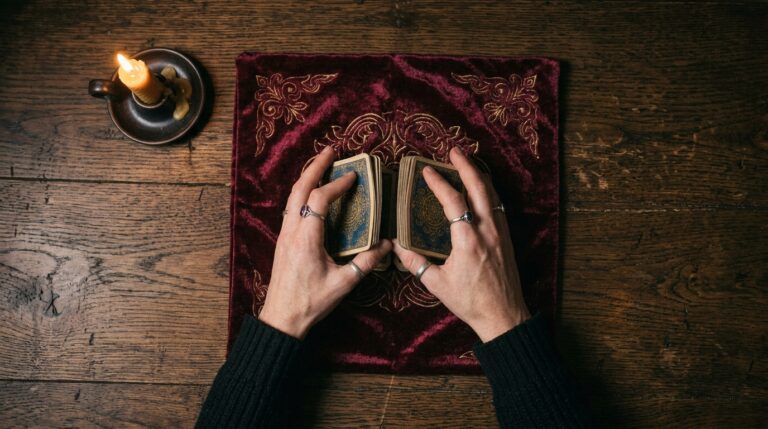
Tarot is probably the most recognized traditional method. Its seventy-eight cards use recurring archetypes, like the Fool or the Tower, to reflect universal life experiences back at the reader. Runes work differently. Practitioners cast small stones or wooden pieces marked with ancient Norse symbols and read the pattern they form.
The I Ching, rooted in Chinese philosophy, uses a system of hexagrams built from thrown coins or yarrow stalks. Palmistry reads the lines and shapes of the hand itself. Each of these systems took shape over hundreds of years, refined by practitioners who noticed which symbols consistently resonated with real situations.
What ties them together isn’t the tool. It’s the discipline of slowing down and paying attention.
Modern and Adapted Approaches
Newer practices have grown out of these older systems rather than replacing them. Oracle decks, unlike tarot, don’t follow a fixed structure. A creator can design a deck around moon phases, animal spirits, or affirmations, which makes them more flexible for personal use.
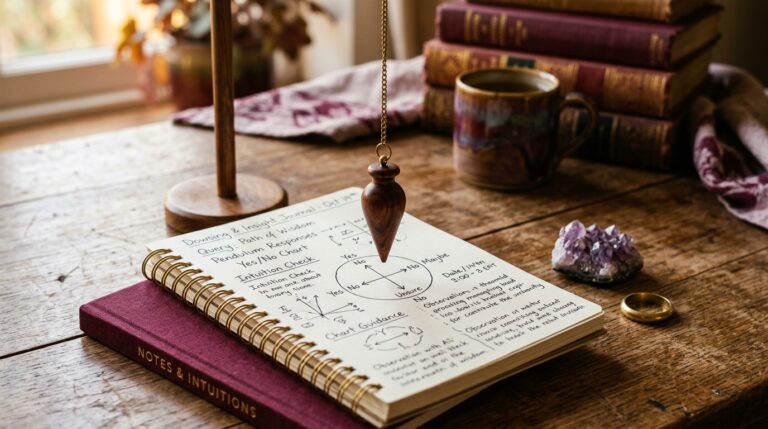
Pendulum dowsing has also found a modern audience. A weighted pendant swings over yes-or-no questions, guided by subtle muscle movements many practitioners believe connect to subconscious knowledge. Divination apps take this even further, offering instant card pulls or astrology readings from a phone screen.
None of these modern tools are lesser versions of the old ones. They’re simply built for how people access spiritual practice today: quickly, privately, and often without a mentor to guide them.
The Symbolism Underneath Every Method
Every divination system relies on symbols that carry more than one meaning at once. A tarot card’s imagery, a rune’s carved mark, or a tea leaf’s shape all function as prompts. They don’t hand you an answer. They ask you to notice which meaning feels true right now.
This is where personal interpretation matters as much as tradition. Two readers can pull the same card and walk away with different insights, because each one is filtering the symbol through their own current situation. Learning a method’s traditional meanings gives you a foundation, but trusting your own reaction to a symbol is what makes a reading useful.
Choosing a Practice That Fits You
If you’re drawn to structure and want centuries of accumulated meaning to study, a traditional method like tarot or the I Ching gives you plenty to work with. If you want something more flexible and immediate, a themed oracle deck or a pendulum might suit your daily rhythm better.
There’s no wrong entry point. Start with whichever tool makes you want to slow down and actually sit with a question, rather than skim past it. That instinct, more than any specific system, is the real foundation of divination practice.
Not sure where to start? You don’t have to do this alone.
Madame Celestine offers guided spellwork for beginners — real support for your first working, not just another guide to read.
Related reading: Exploring Recommended Books for Wiccans: Symbolism, Tradition & Personal Practice · The Witch’s Runes: 13 Symbols For Divination
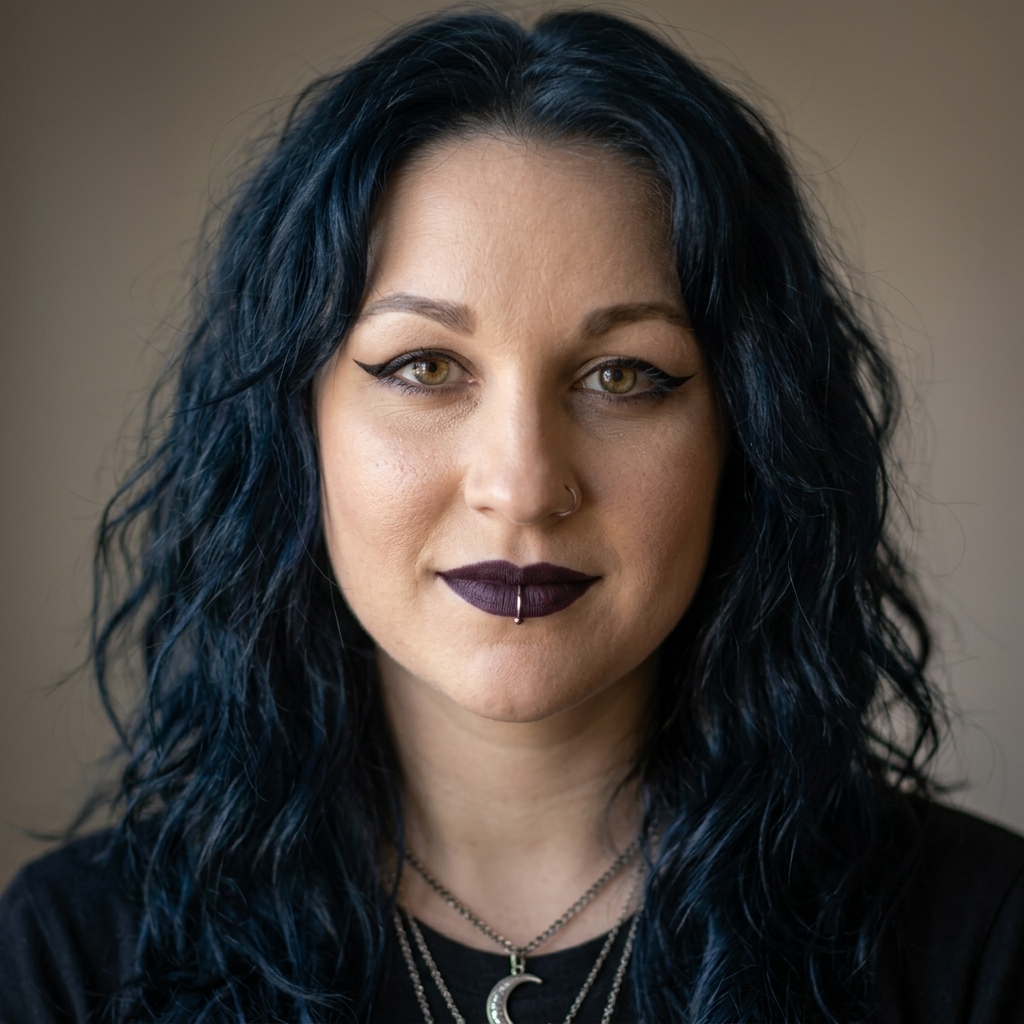
About Madame Celestine
Madame Celestine has practiced and taught spellwork, divination, and seasonal ritual for over two decades, helping newcomers build a grounded, confident practice from their very first spell.