
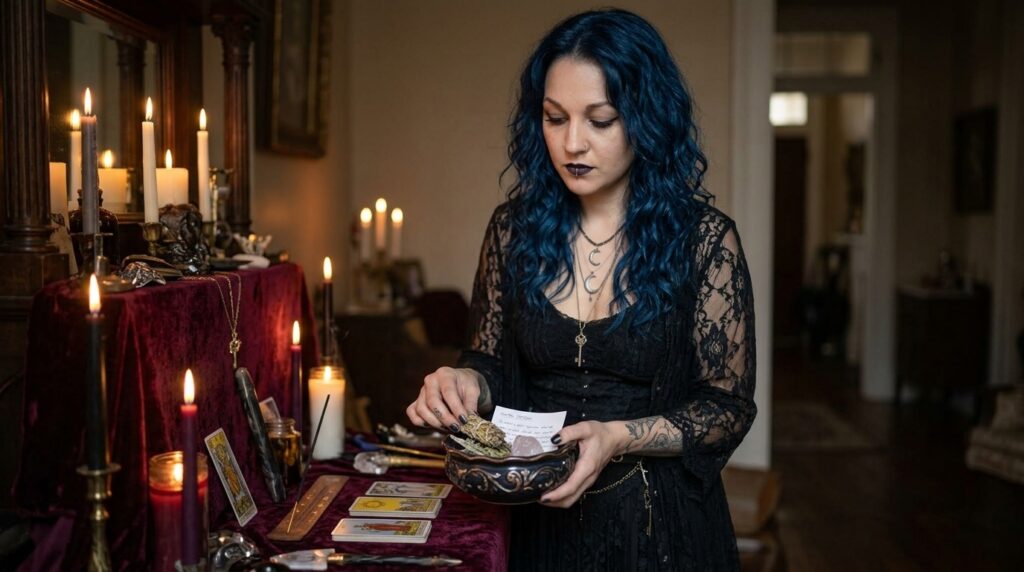
The word “offering” conjures dramatic images for a lot of people. Most of those images come from horror films rather than actual practice. In Luciferian and Satanic devotional traditions, an infernal offering is something far more grounded. It’s a deliberate gesture of respect, not a spectacle.
What “Infernal Offering” Actually Means
An infernal offering is something given, physically or symbolically, to honor an infernal figure, force, or aspect of self within the practice. It marks a moment of acknowledgment. It isn’t a transaction with guaranteed returns.
The concept isn’t unique to Satanic practice. Offerings appear across nearly every religious tradition in recorded history. Encyclopedia Britannica’s overview of sacrifice and religious offering describes the practice as a way to establish or restore a right relationship between a person and the sacred order they honor. Infernal offerings serve a similar function within this framework. The figures and symbols simply differ from tradition to tradition.
Common Forms an Offering Can Take
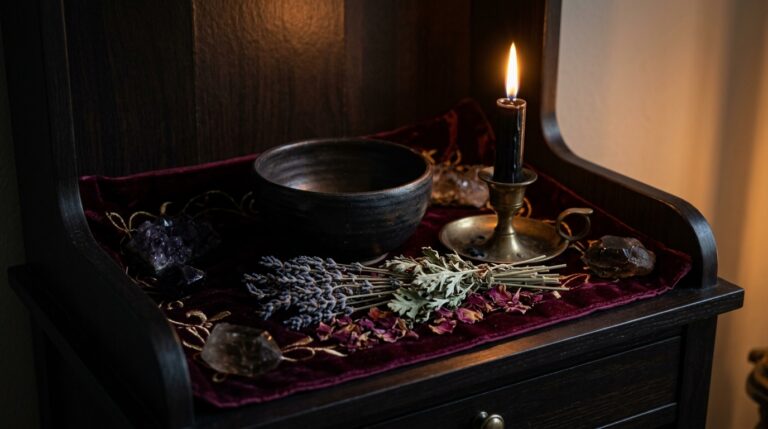
Practitioners often start simple. Incense, a poured drink, or a few dried herbs placed on an altar are all common choices. What matters more than the object itself is the intention behind placing it there.
Written offerings work too. Some practitioners write a short statement of gratitude or intention and burn it as part of the gesture. If you already work with demonic enns in your practice, speaking one aloud alongside a physical offering is a common pairing. Music, silence, or a short period of meditation can round out the gesture as well.
Why Offerings Matter in Devotional Practice
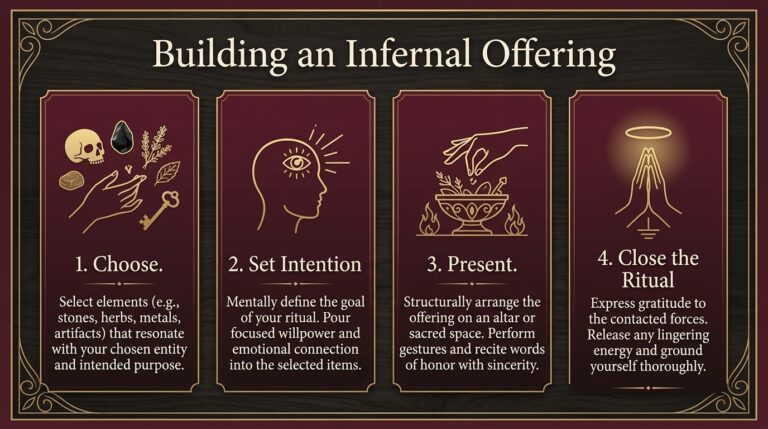
Offerings create structure. They mark the start or close of a ritual. They give the practitioner a physical action to anchor the moment. Without that anchor, devotional practice can start to feel abstract or unfocused over time.
There’s also a psychological component worth naming honestly. The act of giving something up, even something small, reinforces commitment to the practice. It’s a habit that builds discipline, and discipline is what makes any devotional practice sustainable long term.
How to Approach Your First Offering
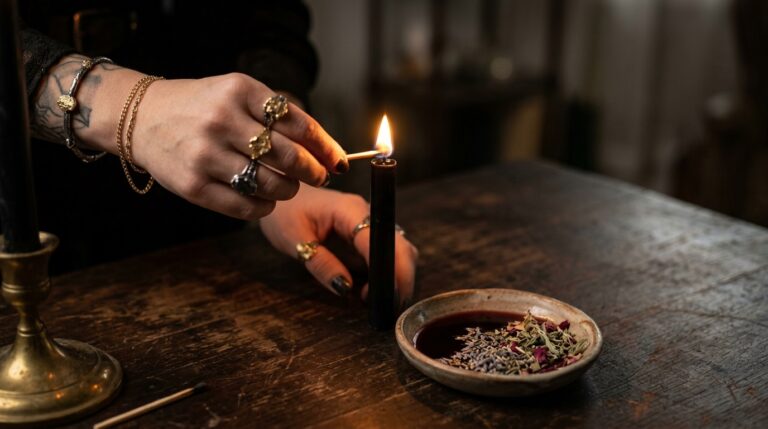
Start with something modest. A single candle, a small pour of wine, or a handful of herbs is enough. Elaborate offerings aren’t more effective, and beginners often overcomplicate this step unnecessarily.
Set your space with intention before you begin. Take a moment to state, even silently, why you’re making the offering. Clarity matters more than ceremony here. Note how the moment feels afterward, since that reflection often shapes how you approach the next one. Some practitioners keep a short log of each offering to track what resonates over time.
What to Avoid
Avoid offerings that involve harming yourself, another person, or an animal. None of that is required or traditional within thoughtful devotional practice, whatever dramatized portrayals suggest.
Avoid treating an offering as a bargaining chip for a specific outcome. That framing turns a respectful gesture into a transaction. It tends to leave practitioners disappointed rather than grounded, since devotion isn’t designed to work that way. Offerings mark respect. Results, if they come, arrive through the rest of your practice, not the offering alone.
Not sure where to start? You don’t have to do this alone.
Madame Celestine offers guided spellwork for beginners — real support for your first working, not just another guide to read.
Related reading: Love, Obsession, or Closure? Finding the Right Question Before Seeking Ritual Work · A Satanic Reconciliation Ritual Consultation: What Should You Ask Before Booking?

About Madame Celestine
Madame Celestine has practiced and taught spellwork, divination, and seasonal ritual for over two decades, helping newcomers build a grounded, confident practice from their very first spell.