
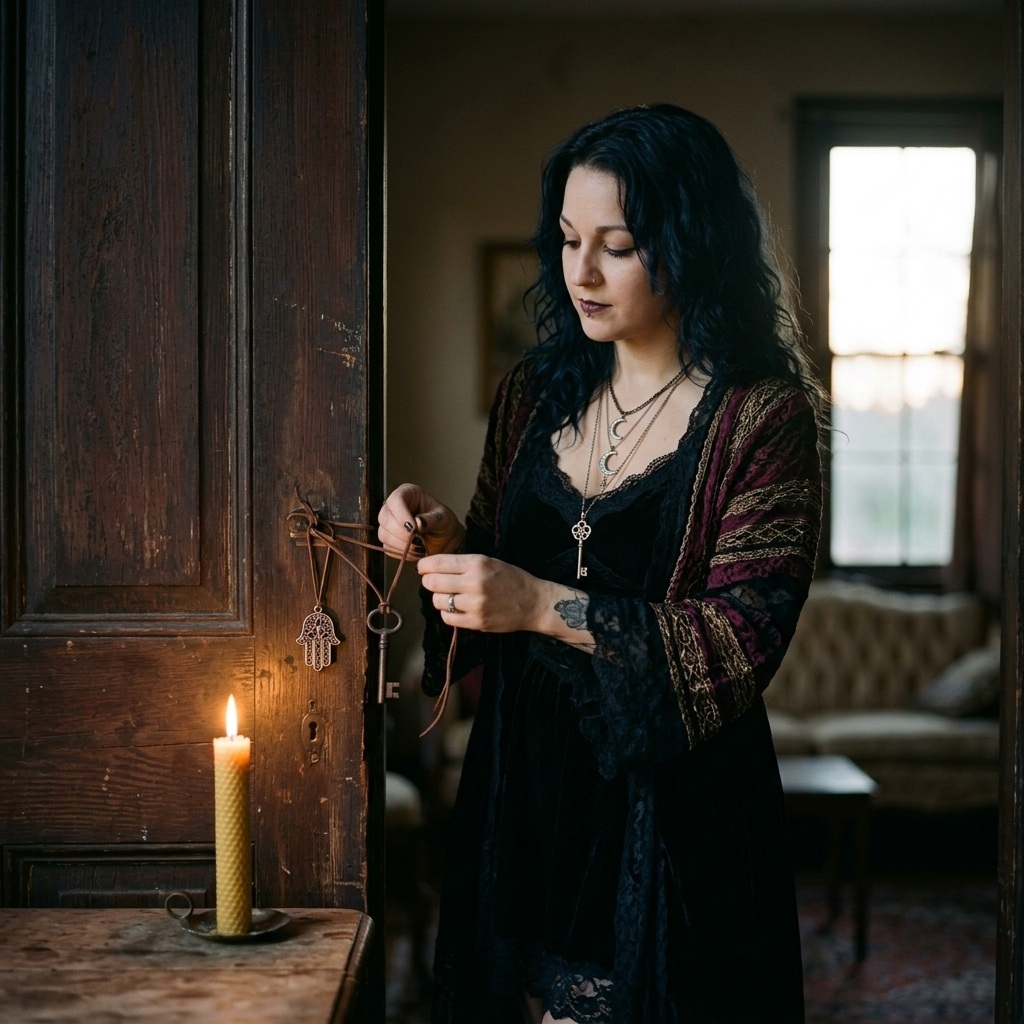
What does protective warding mean in occult practice, and how is it different from cleansing or banishing? Warding is a way practitioners symbolically establish a boundary around a person, room, or object. This beginner’s guide explains the idea, explores examples from history, and offers a simple reflective practice you can adapt to your own beliefs.
- What Protective Warding Means
- Warding, Cleansing, and Banishing: What’s the Difference?
- Protective Practices Have a Long and Varied History
- Choosing a Warding Method That Fits Your Practice
- A Simple Reflective Warding Practice for Beginners
- Keep Warding Grounded and Personal
- Frequently Asked Questions
- References
What Protective Warding Means
In contemporary occult practice, warding generally means setting up a spiritual or symbolic boundary. Practitioners may use words, gestures, objects, marks, or focused intention to represent that boundary. Some imagine it as a circle, a line around a doorway, or a quiet sense of separation between their private space and the outside world.
The word often appears alongside a scholarly term: apotropaic. It describes objects, images, or actions intended to turn away harm or evil. Museums use the term when discussing historical protective objects. The Metropolitan Museum of Art, for example, describes ancient Egyptian wands and rods that were used with protective aims.[1]
Warding is not one universal system. A modern practitioner might draw a boundary with a hand gesture, while another might place a meaningful object near an entrance. The details depend on the tradition, the practitioner’s beliefs, and the purpose of the practice.
It also helps to separate spiritual meaning from proven effect. People may find warding meaningful as a devotional act, a focus for intention, or a reminder of personal boundaries. Those experiences do not establish that a ritual can prevent every unwanted event or influence.
Warding, Cleansing, and Banishing: What’s the Difference?
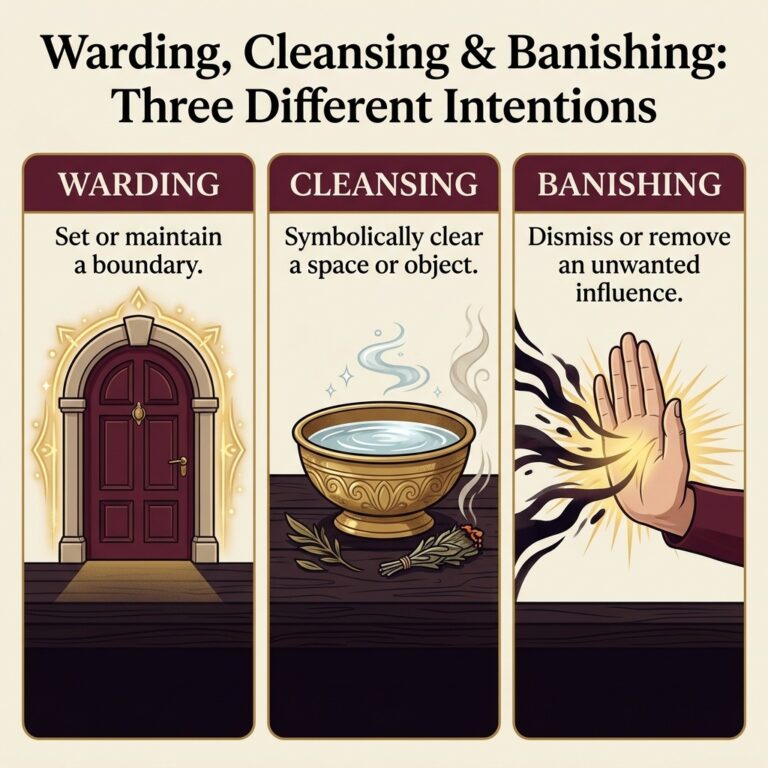
These terms overlap in some traditions, but they usually describe different intentions.
- Warding: Establishing or maintaining a boundary. A practitioner might ward a room before meditation or mark a threshold as a symbolic point of protection.
- Cleansing: Symbolically clearing a space or object. This may involve tidying, prayer, sound, smoke, or another meaningful action, depending on the tradition.
- Banishing: An intentional act of dismissal or removal. In ritual settings, it may mark the end of a working or represent the clearing away of influences the practitioner does not wish to retain.
For example, someone might tidy and cleanse a room, perform a banishing as part of closing a ritual, and then establish a ward as a symbol of the boundary they want to maintain. Other practitioners use these words differently, so it is sensible to ask how a particular tradition defines them.
None of these labels requires a dramatic ceremony. A quiet prayer or a deliberate moment of reflection may be enough for someone whose practice is simple and personal.
Protective Practices Have a Long and Varied History
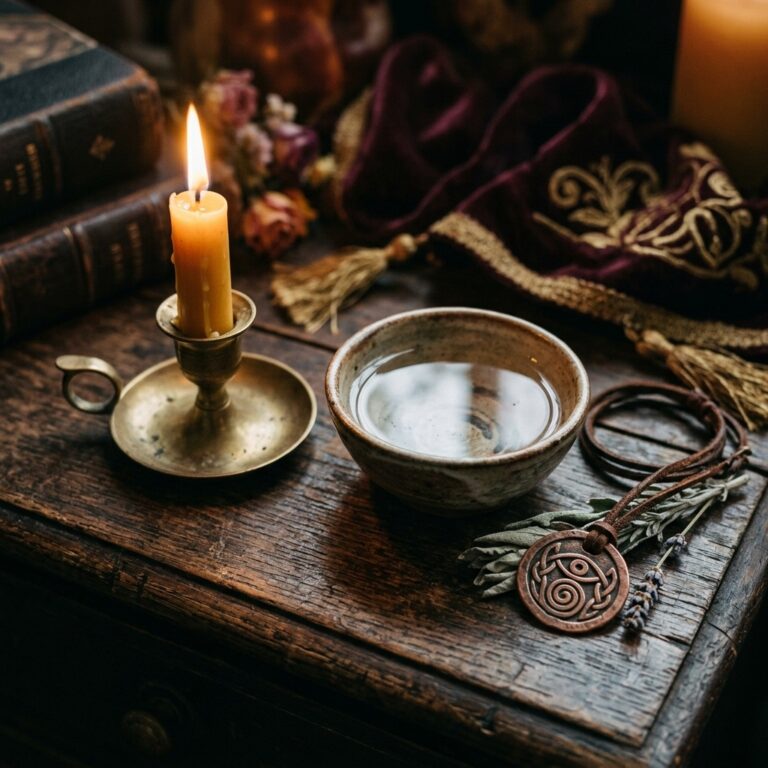
Protective ritual is not a single modern invention. Archaeological objects and museum collections show that people in different periods used images and materials to express hopes for safety, health, and spiritual security. Their meanings belonged to particular religious and cultural settings; they should not be treated as interchangeable with present-day witchcraft.
Ancient Egyptian apotropaic wands, sometimes made from hippopotamus ivory, carried images of protective deities. The Met notes that such objects appear to have been associated with protection during birth and early life, and that some were also placed in tombs. One example in its collection includes an inscription referring to protection by day and by night.[1]
Protective imagery also appeared in Byzantine life. The Met describes images placed on clothing and personal objects, including gemstones and cameos. Some were intended to protect the wearer from spiritual or physical dangers. Their use shows that protection could be expressed through an image carried close to the body, not only through a large or public ceremony.[2]
In parts of England, marks sometimes called witch marks or apotropaic marks were carved into buildings. The National Trust explains that people believed these marks could turn away evil and protect a building and its occupants. The marks are not necessarily evidence of witchcraft; the name can be misleading.[3]
These examples reveal a recurring theme: protection could be represented through a boundary, a carried object, or a meaningful image. Yet each object needs to be understood in its own historical context rather than assigned one universal meaning.
Choosing a Warding Method That Fits Your Practice
There is no single required tool for warding. Before choosing one, consider what the act is meant to represent for you. Is it a boundary around a room? A reminder to pause before entering a stressful situation? A devotional gesture that helps you feel settled before meditation?
Some practitioners use a physical object such as a stone, charm, or written symbol. Others prefer spoken words, prayer, visualization, or a simple gesture. An object does not need to be expensive or rare to hold personal meaning.
It is also worth considering the setting. A ward for a private altar may be different from one used at a doorway or as part of a personal meditation routine. Keep the method practical and respectful of other people who share the space.
Historical examples can inspire questions, but they should not be copied without thought. A symbol from a specific culture or religion may carry meanings beyond the general idea of protection. Learn its context before adopting it, and avoid presenting a borrowed practice as though it belongs to every occult tradition.
A Simple Reflective Warding Practice for Beginners
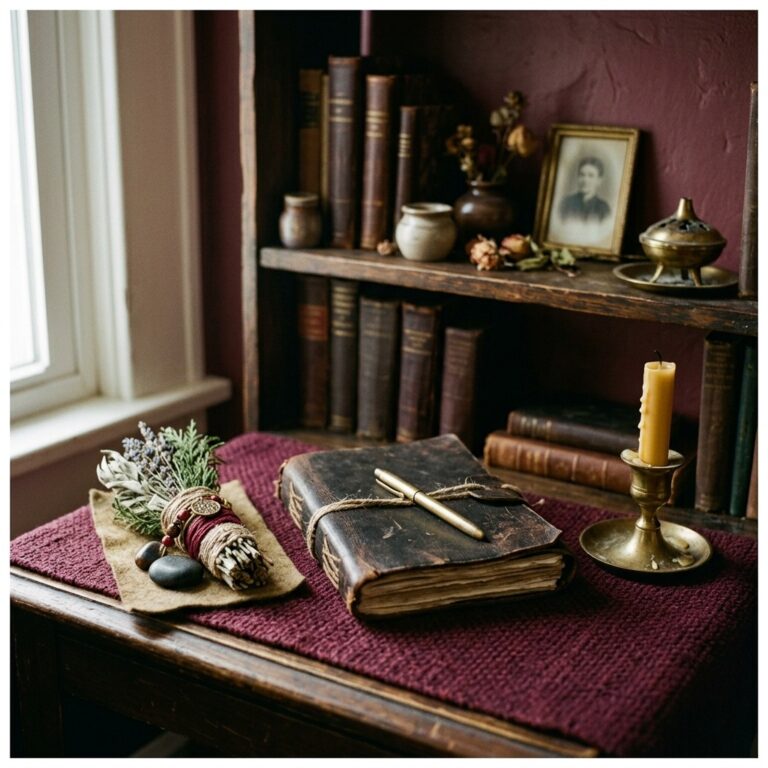
The following is a contemporary, adaptable exercise—not a historical rite or a guarantee of supernatural protection. Use it as a way to clarify your intention and mark a personal boundary. You can leave out any element that does not fit your beliefs.
- Choose a small space. Select a place where you can pause without blocking a doorway or creating a hazard. Take a moment to notice the room as it is.
- Set a clear intention. Put your purpose into plain language. For example: “I want this space to remind me to rest, reflect, and respect my boundaries.” Keep the wording grounded in what you can choose and maintain.
- Mark the boundary symbolically. You might trace a small circle in the air, touch the edge of a table, or place a meaningful object nearby. Treat the action as a sign of your intention rather than proof that the space has become invulnerable.
- Speak or reflect. Say your intention aloud, offer a prayer if that is part of your practice, or sit quietly with the words. A short statement is often easier to remember and repeat than an elaborate script.
- Close deliberately. Take a breath, put away any materials, and decide how you will care for the space. You might return to the practice before meditation or when you want a moment to reset.
Keep the exercise safe and comfortable. Never leave an open flame unattended, and do not use smoke or scented materials if they create a risk for people, animals, or your surroundings. You can use an unlit candle, a drawing, or a simple gesture instead.
Belief, Intention & The Power of Magic
Witchcraft, spells, and manifestation are deeply rooted in belief, intention, and spiritual practice. If these practices do not resonate with you, this may not be the path for you, and that’s perfectly okay. But if you believe in divine powers, trust your intentions, and feel drawn to the mysteries of the unseen, we invite you to continue exploring with Madame Celestine and discover the magic that speaks to your soul.
Keep Warding Grounded and Personal
A useful way to approach warding is to treat it as a practice of meaning, not a substitute for ordinary care. A symbolic boundary can remind you to protect your time, maintain privacy, or make a room feel more intentional. Those are practical choices you can reinforce outside ritual as well.
If a practice begins to make you feel frightened or trapped in repeated rituals, it is okay to pause, simplify, or speak with someone you trust. You do not need to keep repeating an action to prove your sincerity. A personal spiritual practice should leave room for reflection and choice.
Warding can be quiet: a few words, a meaningful object, or a moment spent setting an intention. For more background on spiritual practices, visit the spell guides and resources. Choose practices thoughtfully, respect their origins, and remember that no ritual can promise complete safety or control over events.
Frequently Asked Questions
What does warding mean in witchcraft?
Warding usually means establishing a symbolic or spiritual boundary around a person, place, or object. The methods and beliefs behind it vary by practitioner and tradition.
Is warding the same as cleansing?
Not usually. Warding focuses on setting or maintaining a boundary, while cleansing is commonly understood as symbolically clearing a space or object.
Do I need special tools to create a ward?
No single tool is required across all practices. Some people use objects or symbols, while others prefer prayer, words, visualization, or a simple gesture.
Are historical protective symbols all witch marks?
No. Protective marks and objects come from varied historical and religious contexts. A mark associated with protection is not automatically evidence of witchcraft, and its meaning depends on its setting.
Can warding guarantee that nothing bad will happen?
No ritual can guarantee complete safety or control over events. Practitioners may find warding spiritually meaningful, but it should not replace practical precautions or appropriate help.
Can I adapt a warding practice to my own beliefs?
Many contemporary practitioners personalize their routines, but it is wise to learn the context of any tradition-specific symbols or rites before using them. Keep the practice safe, respectful, and consistent with your own values.
References
- Apotropaic Wand. The Metropolitan Museum of Art. https://www.metmuseum.org/art/collection/search/545740
- Popular Religion: Magical Uses of Imagery in Byzantine Art. The Metropolitan Museum of Art. https://www.metmuseum.org/en/essays/popular-religion-magical-uses-of-imagery-in-byzantine-art
- Warding off evil with witch marks. National Trust. https://www.nationaltrust.org.uk/discover/history/warding-off-evil-with-witch-marks
Not sure where to start? You don’t have to do this alone.
Madame Celestine offers guided spellwork for beginners — real support for your first working, not just another guide to read.
Related reading: Satanic Home Protection Rituals: Questions to Ask Before Seeking a Service
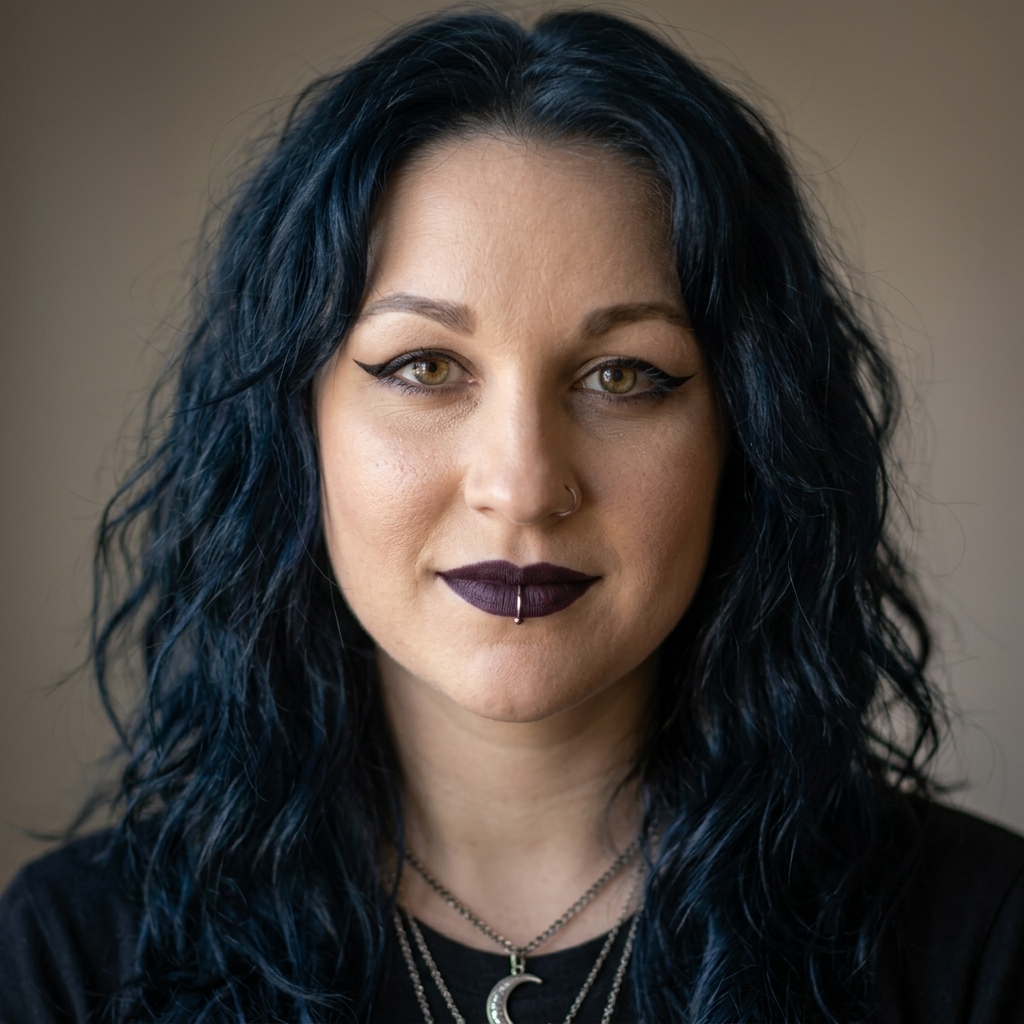
About Madame Celestine
Madame Celestine has practiced and taught spellwork, divination, and seasonal ritual for over two decades, helping newcomers build a grounded, confident practice from their very first spell.