
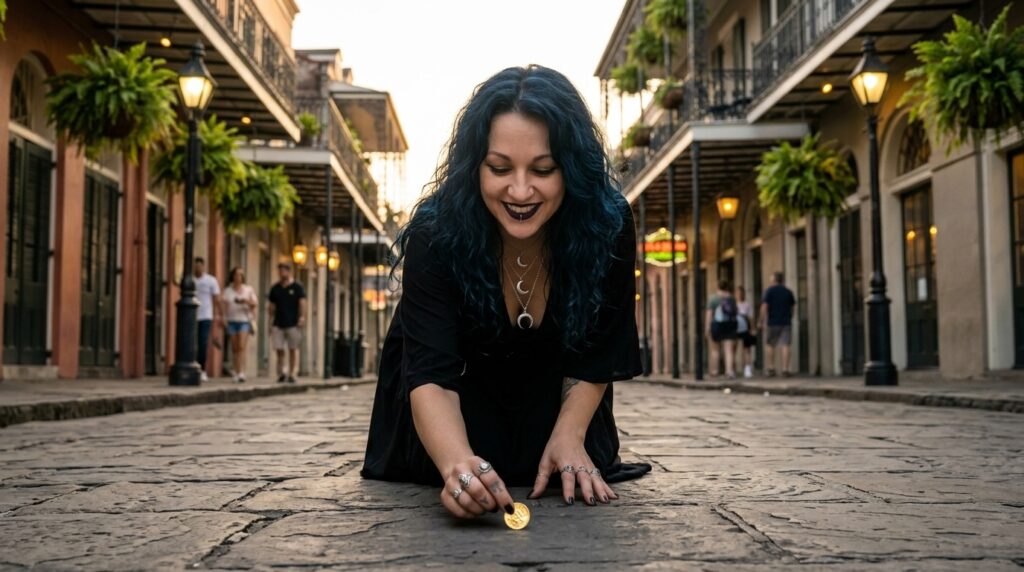
We all know someone who seems to land on their feet every time. They find the parking spot, hear about the job first, and meet the right person at the right party. So are lucky people simply born that way? The research, and centuries of folk wisdom, suggest something more interesting. In this article, I’ll show you what one psychologist found when he studied luck for ten years. I’ll also share what the ancient world believed about it, and a simple practice for inviting more of it into your life.
What Lucky People Notice That Everyone Else Misses
British psychologist Richard Wiseman spent a decade studying people who called themselves lucky or unlucky. One of his experiments is my favorite story about luck.
He gave both groups a newspaper and asked them to count the photographs inside. Unlucky people took about two minutes. Lucky people, however, took just seconds. Why? On the second page, a message in type over two inches high said, “Stop counting. There are 43 photographs in this newspaper.” The unlucky group was so focused on counting that they missed it. Halfway through, a second message offered $250 to anyone who spotted it and told the researcher.[1]
In other words, the lucky people weren’t handed more chances. They simply noticed the chances in front of them.

The Four Habits That Set Lucky People Apart
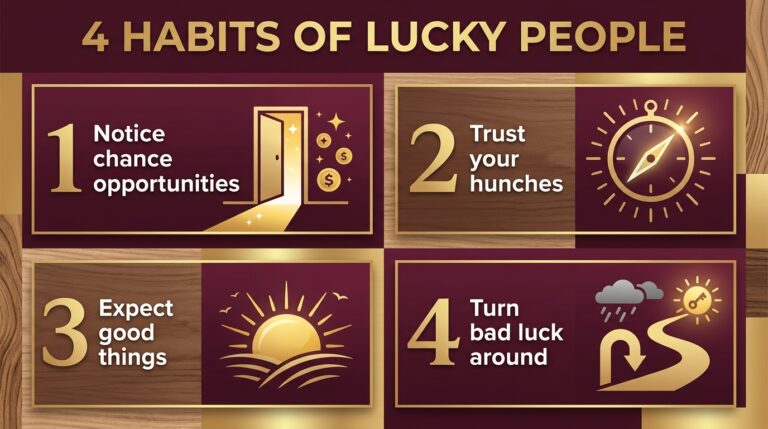
Across his research, Wiseman found four patterns that lucky people shared.[1] I’ve put each one in plain terms.
- Creating and noticing chances. Lucky people talk to new people, try new things, and stay relaxed enough to see what’s around them.
- Trusting hunches. Gut feelings get real attention, especially about people and decisions.
- Expecting good things. Hopeful expectations often become self-fulfilling, because they keep trying when others give up.
- Turning bad luck around. After a setback, lucky people look for what it might lead to instead of dwelling on it.
Then Wiseman ran what he called a “luck school” to teach these habits. Afterward, 80 percent of participants said they were happier and more satisfied with their lives, and that they felt luckier.[1] So you can learn luck, at least in part.
Fortuna’s Rudder: What the Ancients Believed About Luck
Long before psychology, people tried to make sense of luck through myth. The Romans honored Fortuna, the goddess of chance. Artists often showed her holding a cornucopia as the giver of abundance and a rudder as the one who steers destinies. Sometimes she stood on a ball, which showed how uncertain fortune can be.[2]
I love that rudder, because a rudder doesn’t create the wind. It only decides what you do with it. The English word “luck” itself arrived around 1500 from Dutch, perhaps first as a gambling term.[3] Then in 1754, the writer Horace Walpole coined “serendipity.” He described heroes who kept making discoveries “by accidents and sagacity,” meaning chance plus wisdom.[4] That pairing is exactly what lucky people seem to practice.
How to Borrow the Habits of Lucky People, Step by Step
This is the practice I share with people who feel stuck in a run of bad luck. It blends those four habits with a simple ritual, so each step has a reason behind it.
1. Break one routine each week. Take a new route, sit somewhere different, or start a conversation you’d normally skip. New paths create new chances to notice.
2. Keep a nightly luck journal. Before bed, write down one lucky thing that happened, however small. This trains your attention to spot good fortune rather than miss it.
3. Pause before big decisions. Take a slow breath and ask how the choice feels in your body. Many practitioners treat that first gut response as a message worth hearing.
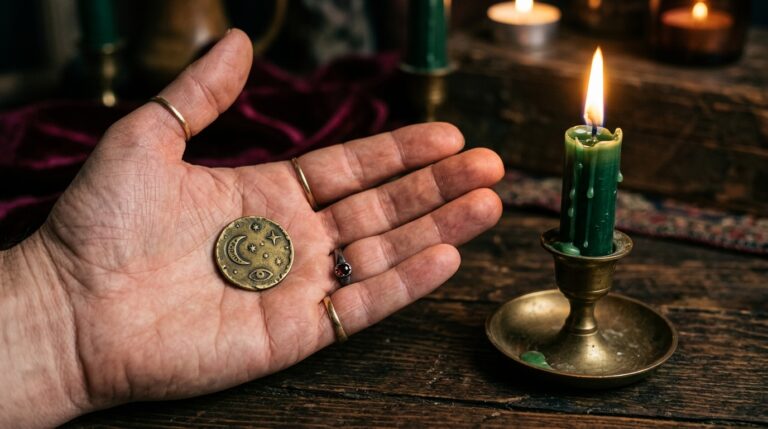
4. Light a candle on a Thursday. In traditional correspondences, Thursday belongs to Jupiter, the planet of growth and good fortune. That’s why the French call it jeudi. Light a green or gold candle, hold a coin in your palm, and say what you’re open to receiving. Then carry the coin with you as a reminder to look up.
5. Turn one setback around. Finally, when something goes wrong, write down one door it might open. Lucky people do this almost automatically, and you can build the habit on purpose.
Belief, Intention & The Power of Magic
Witchcraft, spells, and manifestation are deeply rooted in belief, intention, and spiritual practice. If these practices do not resonate with you, this may not be the path for you, and that’s perfectly okay. But if you believe in divine powers, trust your intentions, and feel drawn to the mysteries of the unseen, we invite you to continue exploring with Madame Celestine and discover the magic that speaks to your soul.
When It’s Not Really About Luck
Sometimes what feels like bad luck is actually a specific goal that keeps slipping away, such as a raise, a debt, or a sale. In that case, general luck work may be too broad. My article on money spells vs. luck spells explains how to tell which one fits. It also explains why many practitioners start with luck and then narrow their focus.
Frequently Asked Questions
Are lucky people born lucky?
Research suggests luck is at least partly learned. Richard Wiseman found that lucky people share habits, such as noticing opportunities and bouncing back from setbacks, that others can practice too.
What is the luckiest day for a luck ritual?
Many practitioners choose Thursday, which traditional correspondences link to Jupiter, the planet of growth and good fortune. A waxing moon is also a popular time.
What colors are associated with luck?
Green and gold are the most common choices in luck and prosperity work. Some traditions also use orange for opportunity and fresh starts.
Can a ritual make me luckier?
Practitioners believe a ritual focuses your intention and opens you to opportunity. Pairing it with daily habits, like trying new things and noticing small wins, gives it practical support.
Why do some people seem to have bad luck all the time?
Wiseman found that unlucky people often felt more tense and focused narrowly on what they expected. That narrow focus can make chances easier to miss.
References
- Richard Wiseman. The Luck Factor. Skeptical Inquirer, May/June 2003. https://centerforinquiry.s3.amazonaws.com/wp-content/uploads/sites/29/2003/05/22164720/p26.pdf
- Fortuna. Encyclopaedia Britannica. https://www.britannica.com/topic/Fortuna-Roman-goddess
- Luck. Online Etymology Dictionary. https://www.etymonline.com/word/luck
- Serendipity. Online Etymology Dictionary. https://www.etymonline.com/word/serendipity
Not sure where to start? You don’t have to do this alone.
Madame Celestine offers guided spellwork for beginners — real support for your first working, not just another guide to read.
Related reading: Working with Money Candle Spell: How to Use a Green Candle for Prosperity: Preparation, Timing & Ritual Practice · Cleopatra Archetype: Unleash Your Inner Power, Femininity, and Success: Ritual Ideas, Meaning & Practical Guidance

About Madame Celestine
Madame Celestine has practiced and taught spellwork, divination, and seasonal ritual for over two decades, helping newcomers build a grounded, confident practice from their very first spell.