
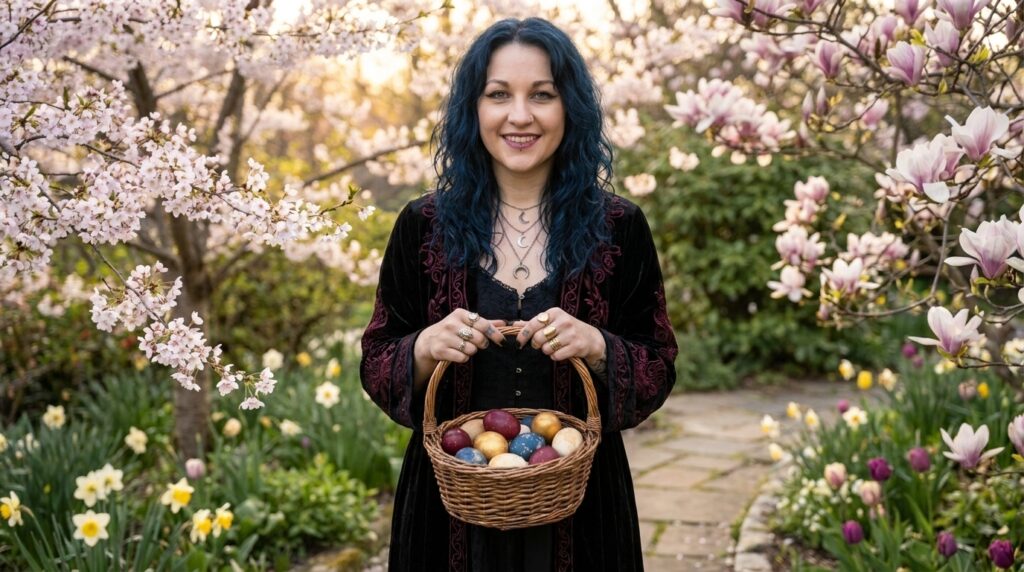
Winter’s grip loosens slowly, and then one day the light just feels different. That shift has a name in Wiccan practice: Ostara, the spring equinox, when day and night finally balance again. These Ostara traditions give you simple, grounded ways to mark that balance without needing an elaborate ritual or a coven behind you.
What Ostara Actually Celebrates
Britannica defines the vernal equinox as one of two moments each year when the sun sits directly above the equator. That moment marks the start of astronomical spring in the Northern Hemisphere. Wiccan practice built Ostara around that same astronomical moment, folding in older seasonal customs tied to fertility, renewal, and the return of light. The name itself traces back to a proposed Germanic dawn goddess, though historians still debate how much of that connection is ancient and how much was reconstructed centuries later. It sits opposite Mabon on the Wheel of the Year, and our Wheel of the Year guide shows exactly where it falls among the other seven sabbats. Unlike Samhain’s introspective mood, Ostara leans outward, toward planting, cleaning, and starting things you’ve been putting off. It’s a holiday built for momentum rather than reflection.
The Symbols Behind Ostara: Eggs, Hares, and Seeds
Eggs show up constantly in Ostara practice, and for good reason. They’re a direct, physical symbol of potential, something whole and closed that’s about to become something new. Hares and rabbits carry similar meaning, tied to fertility and quick, abundant growth. Seeds matter just as much. Whether you plant them literally in soil or treat them as a symbol for an intention, the idea is the same: something small now becomes something larger later. Fresh flowers, particularly daffodils and crocuses, round out the visual language of the holiday. Each symbol points to the same idea: something dormant is waking up.
Building a Simple Ostara Altar and Ritual
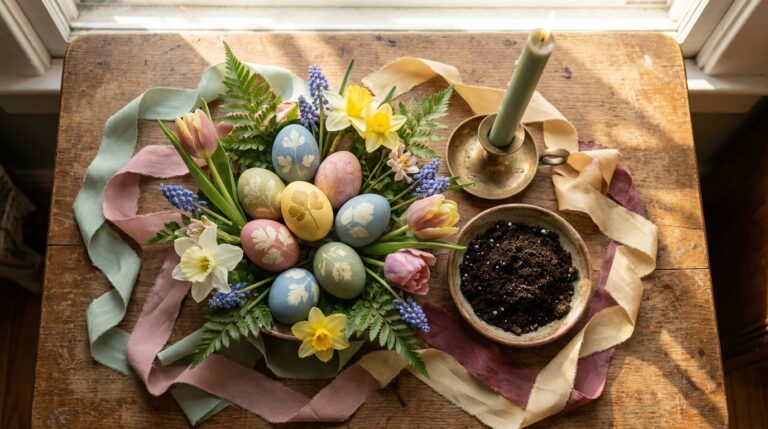
Keep the altar light and bright compared to a Samhain setup. Pastel cloth, fresh or silk flowers, a bowl of painted eggs, and a small dish of soil work well together. A small mirror or piece of clear quartz can represent the returning light if you want an extra touch. Light a yellow or green candle to represent new growth. Then take a moment to name three things you want to start or grow this season. Write each one on a small piece of paper. If you have access to soil or a pot, bury the papers along with a few seeds. Watering that pot over the following weeks turns a one-time ritual into an ongoing practice you can watch progress, and checking on it becomes its own small weekly ritual.
Belief, Intention & The Power of Magic
Witchcraft, spells, and manifestation are deeply rooted in belief, intention, and spiritual practice. If these practices do not resonate with you, this may not be the path for you, and that’s perfectly okay. But if you believe in divine powers, trust your intentions, and feel drawn to the mysteries of the unseen, we invite you to continue exploring with Madame Celestine and discover the magic that speaks to your soul.
Easy Outdoor Ways to Mark the Equinox
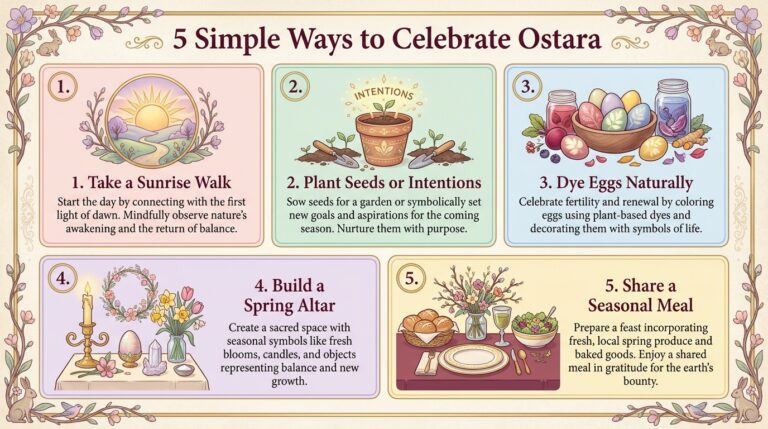
If weather allows, take your ritual outside instead of confining it to an altar. A short walk to notice new buds, early flowers, or returning birds counts as genuine seasonal observance. Planting an outdoor garden bed, even a small container on a balcony, ties your Ostara intentions directly to something you’ll watch grow all season. Some practitioners mark the day with a sunrise walk, since the equal balance of light and dark feels most obvious right at dawn. A simple egg hunt, solo or with kids, also works well and keeps the day playful rather than heavy. Even a brief walk around the block counts, as long as you’re actually paying attention to what’s changing outside.
Ostara Foods and Modern Traditions
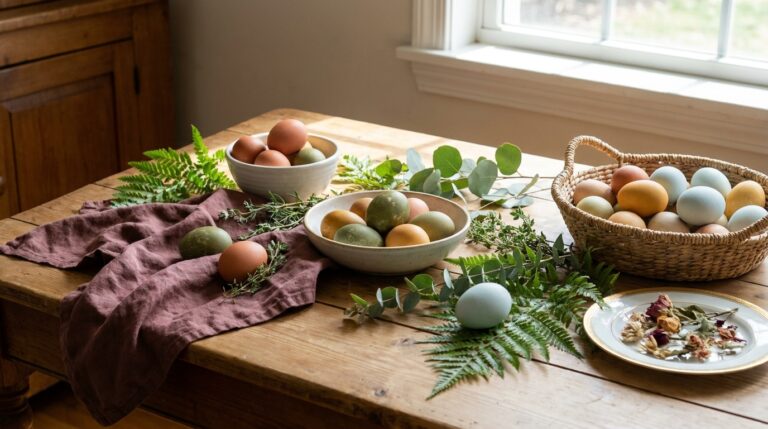
Seasonal, simple food fits Ostara better than anything elaborate. Fresh greens, eggs prepared any way you like, honey, and early spring vegetables all carry the holiday’s themes into your kitchen. Many modern practitioners dye eggs with natural dyes from onion skins or beet juice, then use them as both food and altar decoration. Baking bread shaped like a hare or braided to represent growth is another common touch. None of these traditions are fixed rules, so feel free to adapt them to whatever’s actually growing near you this time of year. A shared meal with friends or family, even a small one, turns the holiday into something communal rather than a solitary ritual.
Frequently Asked Questions
What date is Ostara celebrated on?
Ostara falls on the spring equinox, usually March 19 to 21 in the Northern Hemisphere, depending on the year.
Is Ostara related to Easter?
They share some symbols, like eggs and rabbits, and fall around the same time of year, though Ostara is a distinct Wiccan sabbat with its own separate origins.
Do I need a garden to celebrate Ostara?
No. A single potted plant, a windowsill herb, or even symbolic seed-planting on paper works fine if you don’t have outdoor space.
What colors are traditionally used for Ostara?
Pastels, along with fresh green and yellow, are the most common choices, reflecting new growth and early spring blooms.
Can I celebrate Ostara alone?
Yes. Every practice described here works as a solo ritual and doesn’t require a group or formal training.
Not sure where to start? You don’t have to do this alone.
Madame Celestine offers guided spellwork for beginners — real support for your first working, not just another guide to read.
Related reading: Working with Samhain Ritual Ideas: Traditions & Wiccan Spells: Preparation, Timing & Ritual Practice · Ostara Ritual Ideas: Inviting the Spring Goddess: Ritual Ideas, Meaning & Practical Guidance

About Madame Celestine
Madame Celestine has practiced and taught spellwork, divination, and seasonal ritual for over two decades, helping newcomers build a grounded, confident practice from their very first spell.