
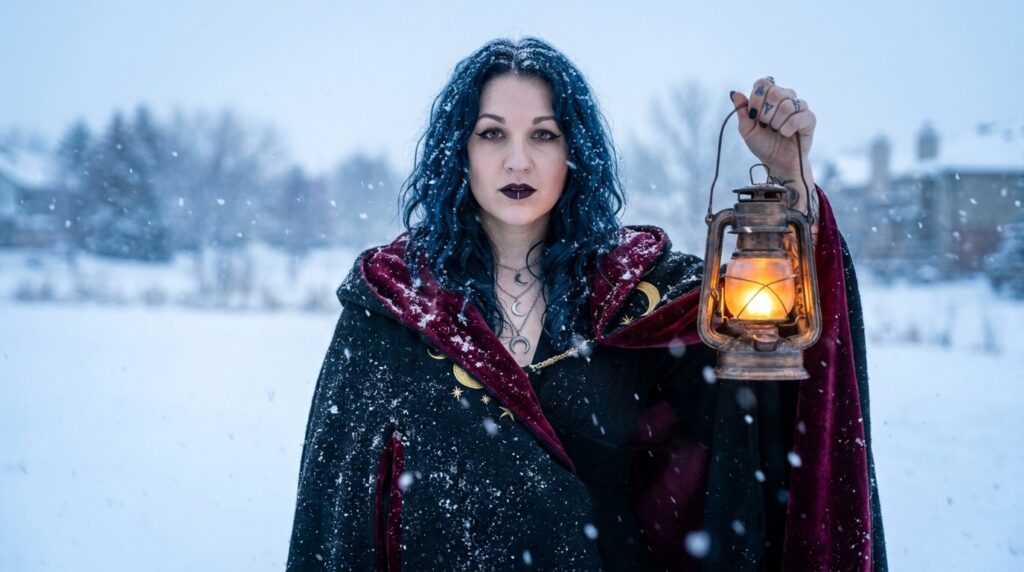
Winter has never been just one thing. It gives snow that blankets and protects. It also brings cold that kills, a threat real enough that survival once depended on respecting it. Cultures across the world built deities of winter around that same tension. Their stories still shape how modern witches approach the darkest months.
Celtic and Norse Winter Powers
The Cailleach rules winter across Scottish and Irish folklore. Her name means “old woman” in Gaelic. The Historic Environment Scotland describes her as “neither good nor bad, but a force of nature.” Storytellers say she shaped mountains with her staff and scattered frost across the land as she walked. She wages an eternal, cyclical battle with Bride, the spring goddess. That back-and-forth explains the turning seasons in Celtic myth. Skadi, a giantess in Norse mythology, brings a different winter energy. She hunts on skis through snowy mountains and chose isolation from the other gods over city life. Both figures reject the idea that winter deities must be gentle or nurturing. They rule through raw force, not charm, and folklore treats that force as neither cruel nor kind on its own.
Greek Personifications of the Cold
Boreas personifies the cold north wind in Greek myth. Storms and winter itself follow him. Chione, a nymph connected to Mount Haimos, may represent snow directly. Her name shares its root with the Greek word for snow itself. Cheimon completes this trio as one of the Horai, the seasonal goddesses who divided the Greek year into recognizable parts. Ancient Greek writers treated these figures less as objects of worship and more as explanations. They gave people a way to describe why the world turned cold and how long that cold would last.
Germanic and Alpine Winter Figures
Frau Holle appears in Germanic folklore as a keeper of the dead. She also teaches domestic skill, especially flax spinning. She rewards diligence and punishes laziness in the fairy tales built around her. Perchta, from Alpine tradition, carries a sharper edge. She appears during the twelve days between Christmas and Epiphany. Older tales describe her punishing anyone who neglected their household duties that year. Both figures tie winter directly to household order, a theme that shows up less often in the Mediterranean myths above. Alpine and Germanic communities depended on stored food and finished textiles to survive the cold months, so it makes sense that their winter figures reward preparation and punish neglect.

Asian and Inuit Winter Figures
Yuki-onna haunts Japanese folklore as a pale woman who appears during snowstorms. Some tales describe her as gentle, guiding lost travelers to safety through the snow. Others describe her freezing them where they stand, with no clear rule for which version a traveler will meet. Tengliu, from Tang Dynasty Chinese folklore, governs snow more directly. Regional stories still credit her with the season’s first snowfall each year. Nanook, from Inuit tradition, takes a different role entirely. He serves as the spirit master of polar bears. Successful hunters historically showed him respect to keep their luck intact through the winter months.
Honoring Winter Deities in Ritual
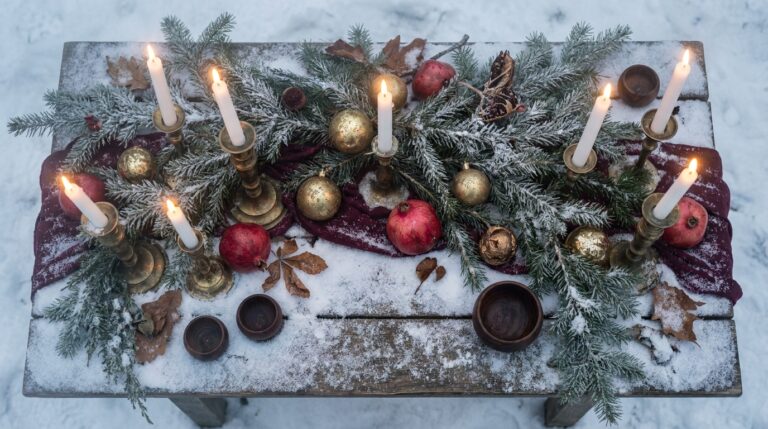
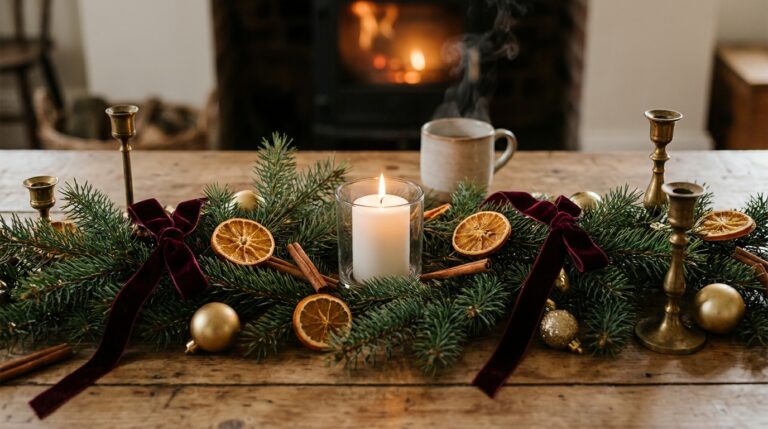
Pick one figure whose story actually resonates with your own relationship to winter. Don’t try to work with all twelve at once. Research her specific tradition first, since folklore rarely translates cleanly between cultures. A quick search into her original mythology usually tells you more than a generic list like this one ever could. Light a white or silver candle for your altar. Set out pine, holly, or another evergreen to mark the season alongside it. Our Wheel of the Year guide covers Yule specifically if you want a structured entry point for winter solstice ritual. Close your working by naming what you want to release before spring. Several of these deities, like Marzanna in Slavic tradition, are tied directly to winter’s ritual ending each year, which makes release work especially fitting.
Belief, Intention & The Power of Magic
Witchcraft, spells, and manifestation are deeply rooted in belief, intention, and spiritual practice. If these practices do not resonate with you, this may not be the path for you, and that’s perfectly okay. But if you believe in divine powers, trust your intentions, and feel drawn to the mysteries of the unseen, we invite you to continue exploring with Madame Celestine and discover the magic that speaks to your soul.
Frequently Asked Questions
Is Itztlacoliuhqui the same as other Aztec winter figures?
He’s a distinct deity, associated with frost, obsidian, and a kind of blind justice, standing apart from most Aztec solar and rain gods.
Why do so many winter deities have a harsh or dangerous side?
Winter itself was dangerous before modern heating and food storage. These stories reflect that real, lived risk rather than pure invention.
Can I honor a winter deity outside of the actual winter season?
Yes. Most practitioners find the connection strongest between the autumn equinox and spring, when the seasonal energy naturally matches the theme.
What’s the difference between the Cailleach and Marzanna?
The Cailleach rules winter itself in Celtic myth. Marzanna, in Slavic tradition, is more directly tied to winter’s ritual death each spring, often marked by burning or drowning her effigy.
Do I need to be from a specific culture to work with these deities?
No. Approach any figure with real research into her origin and current practitioners’ views, rather than treating her as generic winter imagery.
Not sure where to start? You don’t have to do this alone.
Madame Celestine offers guided spellwork for beginners — real support for your first working, not just another guide to read.
Related reading: Exploring 10 Famous Witches in History, From Aradia to Laurie Cabot: Symbolism, Tradition & Personal Practice · Working with Types of Fairies & Facts About Fairies for Witches: Ritual Context, Meaning & Practice

About Madame Celestine
Madame Celestine has practiced and taught spellwork, divination, and seasonal ritual for over two decades, helping newcomers build a grounded, confident practice from their very first spell.